Sunday at the Water's Edge: Why Abidjan's Bord de Mer Belongs in Your Weekly Routine
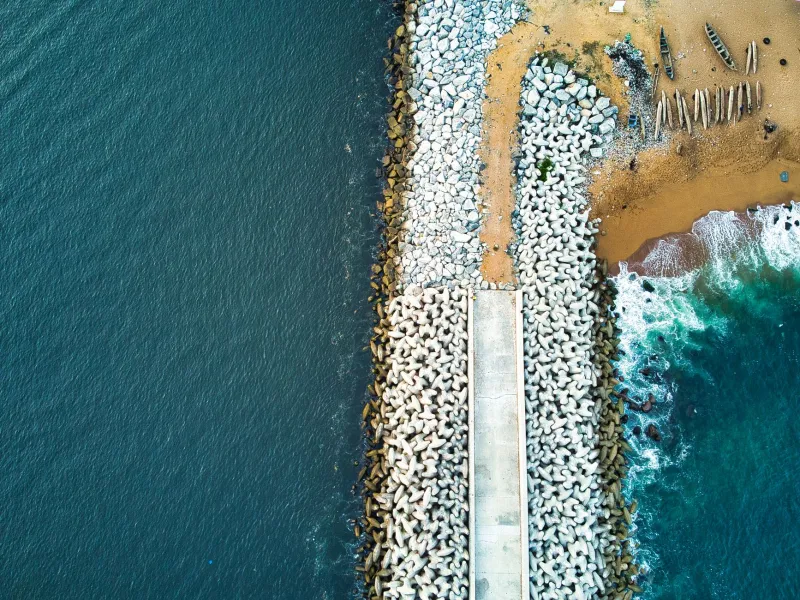
In Abidjan, Sunday has a direction. It points toward the water. Not always a resort, not always a plan, and definitely not a checklist. The bord de mer, the seaside, is less a destination than a weekly release valve. People gather under trees and corrugated roofs, order grilled fish, scoop attiéké with their hands, turn up music, kick a ball, and let the afternoon go long. It is food, but it is also a lifestyle reset.
For US readers raised on bottomless brunch, packed weekends, and the idea that rest must be earned, the bord de mer is a useful mirror. It asks a simple question: what if your Sunday was not a performance of leisure, but an actual break from performing?
The Menu Is Simple on Purpose
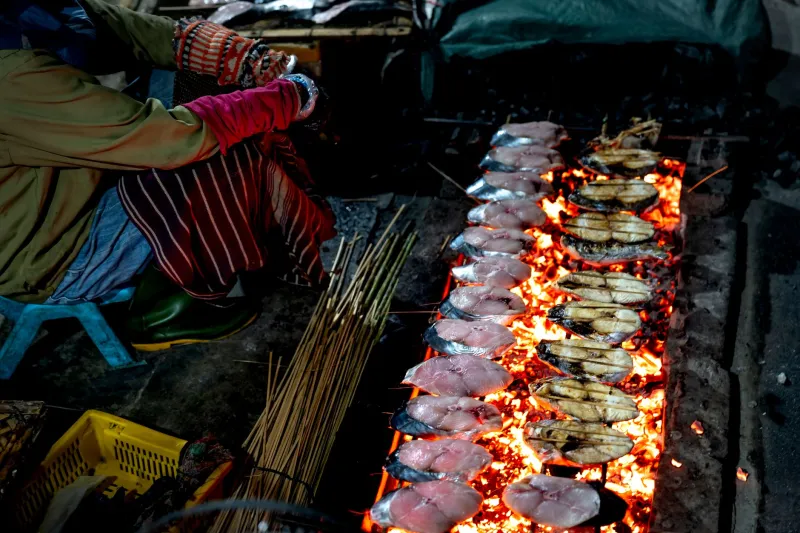
The food is not complicated, and that is the point. Grilled fish, often poisson braisé, comes off the fire with charred skin, lime, onions, and piment. Attiéké, the cassava couscous that shows up beside so many Abidjan meals, sits nearby. There might be alloco, fried plantain, and a cold drink sweating in the heat. You eat with your hands. You share. You do not need a reservation.
Compare that with the US brunch industrial complex: the waitlist, the mimosa tower, the plate that looks better on Instagram than it tastes. Abidjan's beach table is not trying to impress you. It is trying to feed you while you talk to the people around you. That is a different kind of hospitality. The practical takeaway is not to recreate a perfect Ivorian menu in Ohio. It is to keep the food simple enough that the gathering stays the main event.
Doing Nothing Is the Activity
A bord de mer Sunday is full of motion, but not productivity. Kids run football drills in the sand. Someone sells peanuts. A group argues about a match. A speaker plays coupé-décalé, then gospel, then something older. People nap. People braid hair. People stare at the water. Nobody asks what you are working on.
That is the radical part. US hustle culture treats rest as something you unlock after the inbox is empty. The bord de mer treats rest as infrastructure. It is a weekly appointment with unproductivity, and it is social, not solitary. You are not optimizing your sleep score. You are sitting with people and letting the day be enough.
The Soundtrack Is Part of the Meal
Music is not background at the bord de mer. It is part of the table. Cars pull up with speakers. Vendors play something catchy. A phone becomes a jukebox. The sound moves around, and people negotiate it the way they negotiate shade or space. Sometimes it is too loud. Sometimes it is perfect. Either way, it turns a meal into a shared event.
US restaurants often curate music to keep diners in a certain mood, and home playlists are designed to disappear. The Abidjan beach model is messier and more human. The lesson is not to bring a giant speaker to every picnic. It is to let music be communal again, with enough awareness to know when to turn it down.
A Beach Day Without the Performance
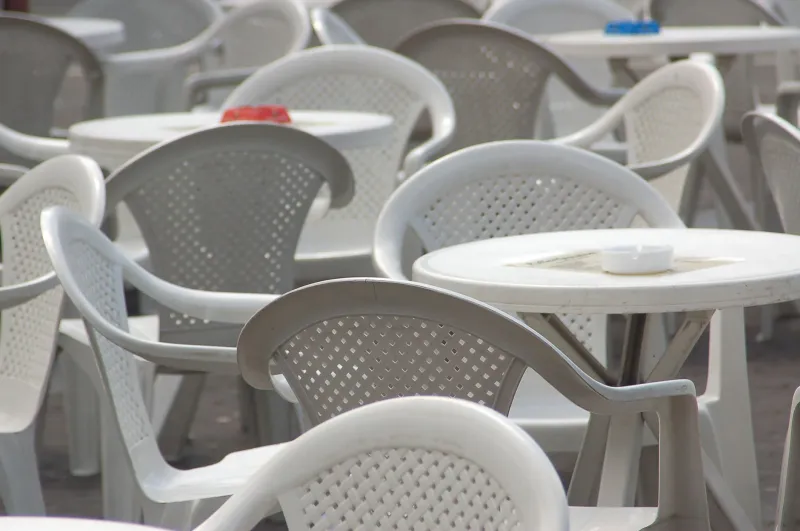
The bord de mer is not about looking rich. It is about showing up. Plastic chairs, folding tables, a cooler, a grill, a football, and a spare shirt for later. The dress code is whatever survives sand and heat. This is a relief in a US beach culture that often feels like a parking-lot competition.
There is also a practical honesty to it. Not every coastline is easy to reach, and not every beach is safe or accessible. Abidjan's ritual works because people know their spots, share rides, and keep expectations low. US readers can borrow that spirit without pretending geography does not matter. If you are near a coast, go early, bring a trash bag, pack simple food, and invite more people than feels convenient. If you are not, a lake, river, or park with a picnic table can carry the same energy.
The Reset Is Social, Not Solitary
Wellness culture loves the solo reset: the silent hike, the digital detox, the morning routine. Those have their place. But the bord de mer is a reminder that recovery can be collective. You do not have to meditate alone to calm down. Sometimes you need to sit in a noisy circle, eat something grilled, watch kids play, and remember that the world is bigger than your task list.
That is the antidote to hustle culture, and it is not a vacation. It is a repeatable Sunday. The point is not to escape your life. The point is to return to it with a little more room inside your head.
How to Steal the Sunday Reset
Pick a weekly water-adjacent spot and protect it. Keep the menu simple: grilled fish or chicken, a starchy side, something fresh, something cold. Invite a mixed crew, not just your usual echo chamber. Bring a ball, cards, or dominoes. Leave room for nothing. Manage your trash, sun, and safety. And do not turn it into a content shoot.
Abidjan's bord de mer works because it is not trying to be a lifestyle brand. It is a habit. Food, water, people, and permission to do less. That is a Sunday worth borrowing.