The Maquis Lesson: What Abidjan's Open-Air Hangouts Teach US Cities About Belonging
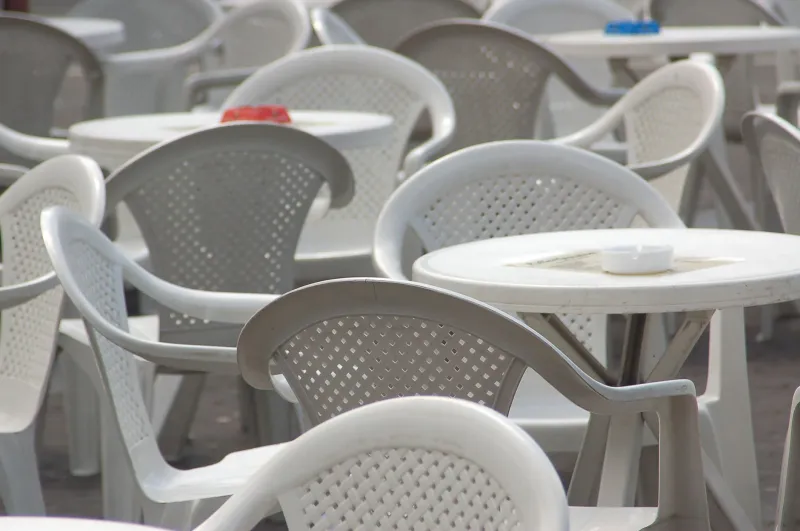
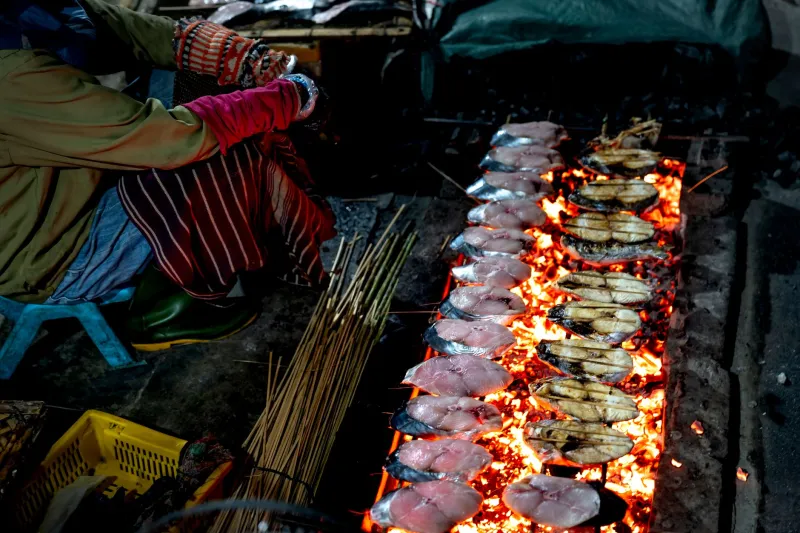
In Abidjan, the most important room in the neighborhood might not have walls. It is a maquis: an open-air eatery and bar with folding tables, plastic chairs, a grill working overtime, and music that never quite becomes background noise. It is not fancy. That is the point. The maquis is where people eat, argue about football, celebrate a new job, complain about traffic, and stay long after the plates are cleared. In 2026, as US cities keep talking about loneliness, third places, and the death of casual gathering, Abidjan's maquis model offers a useful reality check.
What a Maquis Actually Is
A maquis is a neighborhood restaurant-bar, usually open-air or semi-open, found across Abidjan in places like Cocody, Yopougon, Treichville, and Marcory. The menu is familiar: grilled fish, attiéké, alloco, braised chicken, skewers, beer, soda, bissap, ginger juice. Some maquis are tiny operations with a few tables. Others are sprawling evening spots with a sound system and a crowd that spills toward the street.
The food matters, but the maquis is not really about the food. It is a living room, a meeting room, and a social club sharing the same address. Regulars do not need a reservation. The owner knows their drink. Nobody asks them to buy another coffee every ninety minutes. People linger because lingering is the whole idea.
Why It Works: Low Pressure, High Frequency
The maquis works because it is low-stakes and habitual. You can stop by for twenty minutes or stay for four hours. You can come alone and see someone you know. You can share a platter. You can bring a cousin, a coworker, or a date. The space is flexible enough to absorb all of it.
That flexibility is the secret. The maquis is not an event. It is a routine. It becomes part of the neighborhood's rhythm, the way a corner store or a barbershop does. People do not need a special reason to show up. They show up because showing up is easy.
What US Cities Get Wrong About Third Places
US cities often try to engineer third places with activation campaigns, pop-ups, and branded plazas. The results can feel like a spreadsheet with string lights. Coffee shops become offices with a purchase requirement. Happy hours are time-boxed and transactional. Bars are often too loud for conversation. Parks have benches but no shade, no food, and no reason to stay past twenty minutes.
The maquis model suggests a different priority list: shade, flexible seating, affordable food, late hours, local ownership, and permission to just exist. Planners do not need to import Abidjan's exact aesthetic. They need to stop treating outdoor dining as a revenue experiment and start treating it as social infrastructure.
Lessons for US Hosts and Community Builders
For restaurant and bar owners, a maquis night does not require a full redesign. Push tables together. Offer shared plates. Keep music at conversation level. Drop the reservation requirement after a certain hour. Invite the neighbors who walk past every day but never come in.
For community builders, the lesson is recurrence. One block party is nice. A block party on the same corner, on the same night, every month, is a habit. The maquis does not depend on a consultant. It depends on a sidewalk, a grill, some shade, and a crowd that knows it is welcome.
The 2026 Case for Borrowing the Maquis Model
In 2026, US cities are full of people working hybrid schedules, spending more time at home, and looking for low-cost ways to be around other people. The maquis model answers that need without pretending every gathering has to be an experience. It says: sit down, order something small, talk to the person next to you, and stay a while.
That does not mean every US city can copy Abidjan's climate or street culture. Winter is real. Permits are real. Noise complaints are real. A Minneapolis or Chicago version might need heated patios, indoor winter maquis, or community halls with long tables. The point is not the plastic chair. The point is the social contract: come as you are, stay as long as you like, and treat the space like it belongs to the neighborhood.
Abidjan's maquis are not perfect. They can be smoky, noisy, and informal in ways that complicate regulation. But they get one thing right that many US third places miss: they are built for repetition, not performance. In 2026, that is a lesson worth taking seriously.