Adjamé's Rack Logic: How Abidjan Thrifters Build Street Style From the Pile
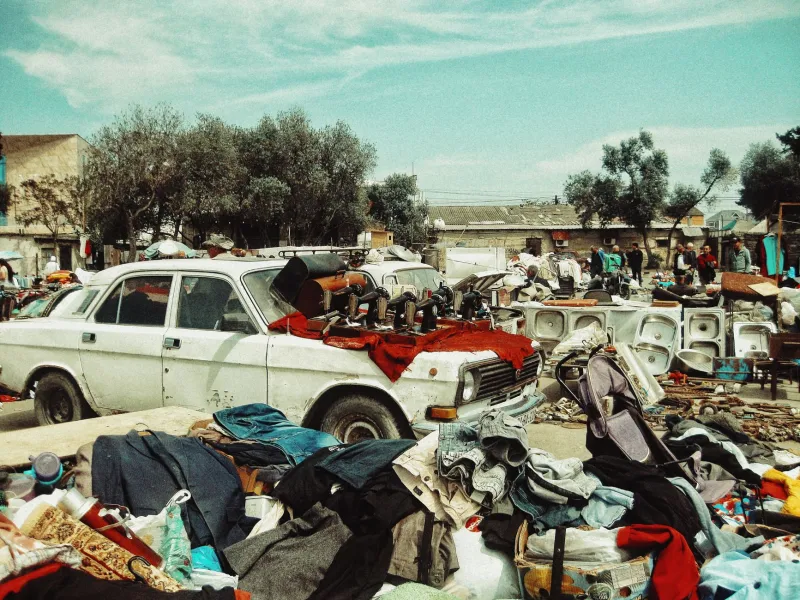
Abidjan's secondhand clothing markets are not a side quest. They are the main event. In Adjamé, the city's commercial crush of stalls, alleys, and stairwells, you will find bales of clothes from Europe, North America, and Asia opened like treasure chests on tarps. For a US thrifter used to neatly organized Goodwill racks and curated vintage shops, the first reaction is usually: where do I start? The answer is not at the front. The answer is with a plan, a little patience, and a willingness to get your hands dusty.
Forget the Aisle-by-Aisle Mindset
Adjamé does not shop like a suburban thrift store. Vendors cut open compressed bales—often called ballots—and the contents spill out in piles. You are not walking a clean aisle. You are sifting. Some stalls specialize in jeans, some in jerseys, some in women's blouses, some in kids' clothes, and some in whatever landed that week. The smart move is to walk the perimeter first, see what is out, and then commit to two or three stalls instead of trying to conquer the whole market.
That is the first lesson for US thrifters: abundance is not the same as selection. Abidjan's market rewards focus. Pick a category, learn the pile, and then move on.
The Hunt Is a Contact Sport
Bring cash in CFA francs, small bills if possible. Wear clothes you can move in. Bring a tote that folds flat. Go early, before the sun turns the market into a sauna and before the best pieces disappear. Greet first—bonjour, ça va—even if your French is shaky. The greeting matters more than the grammar.
Do not open with 'last price.' Ask about a piece, turn it over, check the seams, then negotiate. If you find something you love, buy it. The pile does not wait. And if a vendor quotes a price that feels fair, do not grind them down over the equivalent of a dollar. The market is a workplace, not a game show.
The Adjamé Remix: Fit First, Label Second
Local style is not about logos. It is about proportion, texture, and confidence. You see oversized jerseys over long-sleeve tees, faded work jackets with slim trousers, 1990s sportswear mixed with tailored pieces, and bright prints used as anchors rather than full outfits. The label is often the least interesting part of the look.
US thrifters can copy the method without copying the costume. Buy for fabric and cut, not just brand. Pick one loud piece and keep the rest grounded. Learn a tailor. Repair instead of discarding. A cheap tee from a US bin and a six-dollar jacket from Adjamé can follow the same logic: start with one piece that has presence, then build around it.
The Five-Piece Rule for a First Haul
If you are new to the circuit, set a budget and cap your haul at five pieces:
- One statement outerwear piece—a work jacket, a track jacket, or a oversized shirt you can layer.
- One jersey or graphic tee with real texture or a story.
- One pair of denim that fits your waist and can be hemmed.
- One utility bag or belt that makes the outfit feel intentional.
- One wildcard—a print, a color, or a silhouette you would not normally try.
Convert prices in your head if you must, but do not freeze every time you do the math. Ask a local friend or guide for a fair range. The point is to leave with pieces you will actually wear, not a suitcase of souvenirs.
Market Etiquette That Travels Home
Ask before photographing vendors or stalls. Buy something small from a stall before treating it like a photo set. Keep your phone zipped. Carry water. Wear closed shoes. And remember that the market is a living economy, not a backdrop for content. That etiquette travels back to US thrift stores too: greet the staff, respect the racks, and do not act like you discovered reuse yesterday.
Why the Circuit Matters Beyond the Fit
The Adjamé thrift circuit is a masterclass in reuse and reinvention. It keeps clothes in circulation, supports thousands of small traders, and gives young Ivorians a way to look distinctive without big-brand prices. US thrift culture talks a lot about sustainability. Abidjan lives the practice in public, at scale, with style.
That is the real takeaway. The next time you stand in front of a crowded rack, do not look for a complete outfit. Look for one piece with a story, then build the rest around it. Adjamé has been doing that for decades. Your closet can learn the same rack logic.