Coupé-Décalé Is Sneaking Into US Clubs—Here's the Dance Floor Playbook
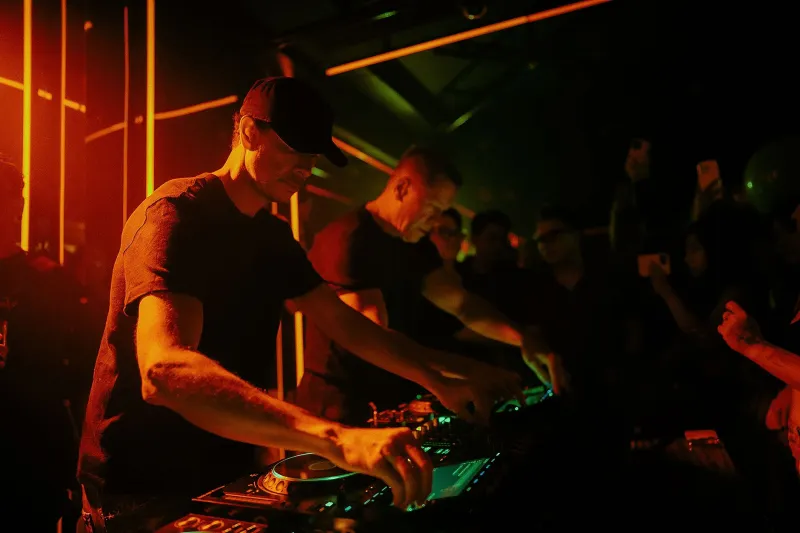
Walk into the right US club in 2026 and you might hear it before you can name it: a fast, snapping percussion loop, a chant that sounds like a crowd command, and a bassline that refuses to sit still. The DJ says it's coupé-décalé. The dance floor either knows exactly what to do or is about to learn.
For years, coupé-décalé has been one of Abidjan's loudest exports—a genre built on speed, bragging, generosity, and dance moves that look like a group project and a solo flex at the same time. In the US, it's still not a household word the way Afrobeats is. But in 2026, it's showing up in club sets, TikTok edits, and diaspora parties from Atlanta to Los Angeles. The question is no longer whether American listeners can handle it. It's whether the genre is ready for a bigger spotlight.
What Coupé-Décalé Actually Is
Coupé-décalé is Ivorian party music with roots in the early 2000s and a reputation for being slightly ungovernable. The name has been explained in different ways—cut and run, cheat and shift—but on the dance floor, it means one thing: motion. The genre blends fast percussion, call-and-response vocals, and a swaggering, celebratory attitude. It's music for showing off, tipping generously, and making sure everyone sees you do it.
The genre's early scene is tied to Ivorian diaspora artists in Paris, especially Douk Saga, and it soon became a soundtrack for Abidjan's maquis, parties, and street culture. DJ Arafat later became its biggest international face, turning the style into a larger-than-life persona with hits and dance crazes that traveled far beyond Côte d'Ivoire. His death in 2019 left a huge gap, but it also cemented his status as a genre-defining figure.
Coupé-décalé isn't a single tempo. It's a mood: fast, flashy, communal, and a little reckless. That's part of why it translates.
From Abidjan Blocks to Paris Basements to Your Feed
The genre's rise is a diaspora story as much as an Abidjan one. In the early 2000s, Ivorian artists in Paris were mixing house, hip-hop, and West African rhythms into something faster and more theatrical. When that sound traveled back to Abidjan, it found the perfect audience: a city that loves a party and knows how to turn a song into a group activity.
By the 2010s, coupé-décalé had produced viral dance clips, fashion statements, and a whole vocabulary of street slang. DJ Arafat's videos were events. His dances were copied in clubs and at weddings. The genre's influence showed up in Afrobeats, amapiano, and the broader African dance-music ecosystem, even when the label didn't always follow.
In 2026, the distribution is different. A fifteen-second clip can do what a radio campaign used to do. TikTok users who don't speak French are learning the hooks phonetically. US DJs are slipping coupé-décalé into sets between Afrobeats and amapiano and watching the floor react. The genre has always been built for short, repeatable moments. The algorithm finally caught up.
The Moves: A Beginner's Field Guide
You don't need to be an expert to enjoy coupé-décalé, but you do need to commit. The genre's dances are usually built around sharp hip movements, quick footwork, shoulder pops, and a lot of eye contact with whoever is watching. The best dancers make it look effortless and slightly competitive.
Some moves are named, some are just vibes. The 'coupé' and 'décalé' ideas are baked into the style: cut the beat, shift the weight, keep the rhythm. Across the genre's history, dances have spread through videos and parties, with DJ Arafat's catalog providing a particularly deep playbook. The 'Moto' era, the shoulder-led swagger, the exaggerated stomps—these are the kind of moves that look ridiculous in a mirror and perfect in a crowd.
The real rule is call-and-response. Coupé-décalé is not a wallflower genre. If the DJ drops the right track, someone in the room will start the move, and the room will answer. That's the part US party culture already understands.
Why US Clubs Are Paying Attention in 2026
Afrobeats did the heavy lifting. It taught US promoters that African dance music can fill rooms, sell drinks, and sustain a touring ecosystem. Amapiano added another lane. Now DJs and party curators are looking for the next sound that feels fresh but still built for a crowd. Coupé-décalé fits that brief almost too well.
It also has a built-in advantage: it's funny, fast, and meme-ready. The genre doesn't ask you to stand still and appreciate it. It asks you to try the move, fail, laugh, and try again. That's a very 2026 social-media loop. In cities with large West African communities—Houston, Atlanta, Washington, D.C., New York, Chicago, Los Angeles—the audience is already there. The crossover is less about convincing people and more about connecting the dots.
There are obstacles. The genre is fragmented, the language barrier is real, and the US market tends to reward a single breakout star or a tidy playlist category. Coupé-décalé doesn't always fit neatly into either. It may never have an Afrobeats-style chart takeover, and it doesn't need one. It can win as a club staple, a festival moment, and a TikTok rabbit hole.
The AbidjanTalk Take
Coupé-décalé's US moment in 2026 isn't about a single song going viral and staying there. It's about a style that keeps leaking into other rooms: the DJ set, the dance challenge, the wedding after-party, the Afrobeats night that suddenly gets faster. Abidjan has been exporting this energy for years. America is just now learning the steps.
So if you hear a beat that sounds like a conversation and a race at the same time, don't overthink it. Find the rhythm, watch the person who clearly knows what they're doing, and join in. Coupé-décalé doesn't require permission. It requires a little nerve.